
Wound Care and Dressings
The Nurse Clinic are strong advocates of safe practice and therefore when it comes to Wound Care and Suture Removal for Elective Surgical Procedures, Emergency Surgical Procedures, Cosmetic Surgical Procedures or even Falls, Cuts and Minor Burns we will always insist on following the guidelines.
Find yourself frustrated when trying to get help with wound care and dressings?
Whether you are looking for a qualified clinician to remove sutures or assess a wound, clean and dress a burn or just looking for piece of mind The Nurse Clinic can provide that reassurance.
IMPORTANT : We offer a Standard and Enhanced
level of Wound Care depending on the type of wound that you have therefore please ensure that you book the correct appointment.
If you have had cosmetic surgery and require any wound care or removal of sutures then choose the Enhanced Services.
This is due to time required for appointment allocation and also to cover Medical Indemnity Insurance requirements
Same Day, Evening and Weekend Appointments available (subject to availibility)
Enhanced Services
(All Cosmetic Surgery Procedures)
To comply with our Medical Indemnity, we will require a copy of the Discharge Letter from your Surgeon before any procedures will be performed. It must state the following:
- The Procedure performed and Date of Procedure
- The date that the Dressings or Sutures/Clips are to be removed
Removal of sutures after blepharoplasty (eyelid surgery)
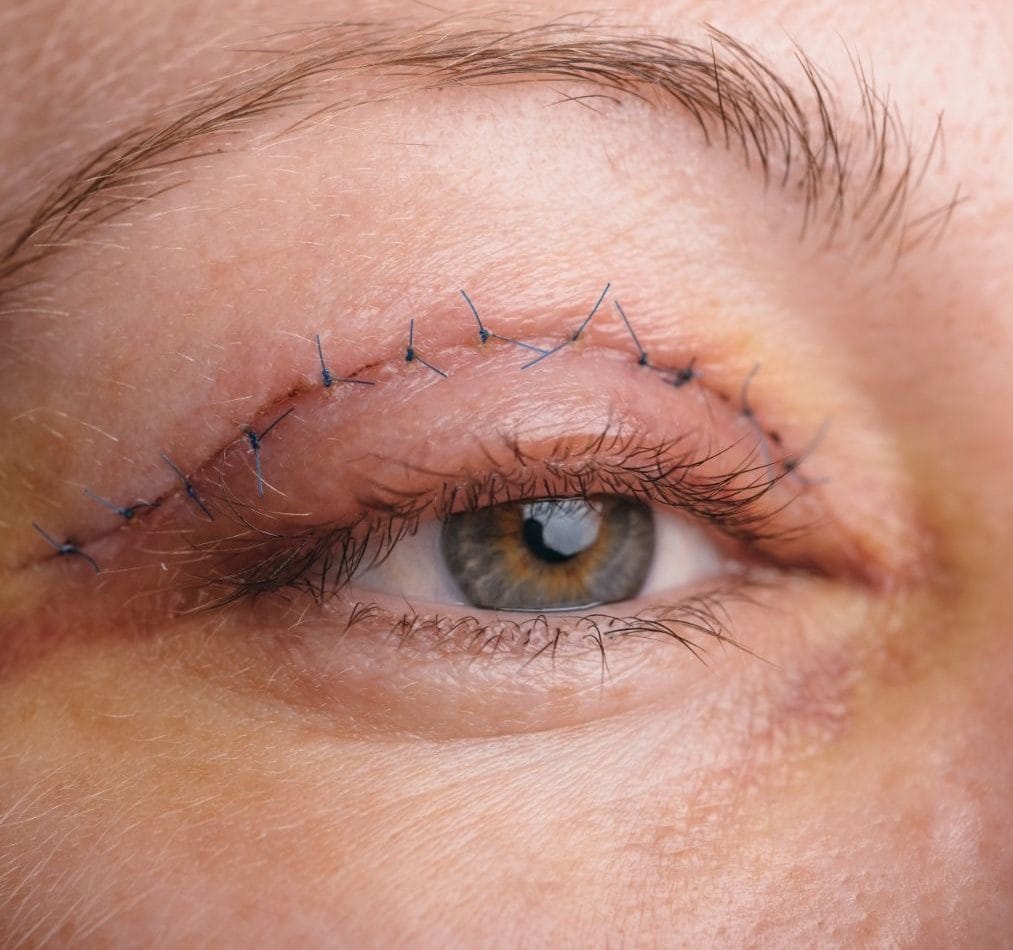
Removal of sutures or clips after face lift

review or replacement of wound dressings after cosmetic surgery
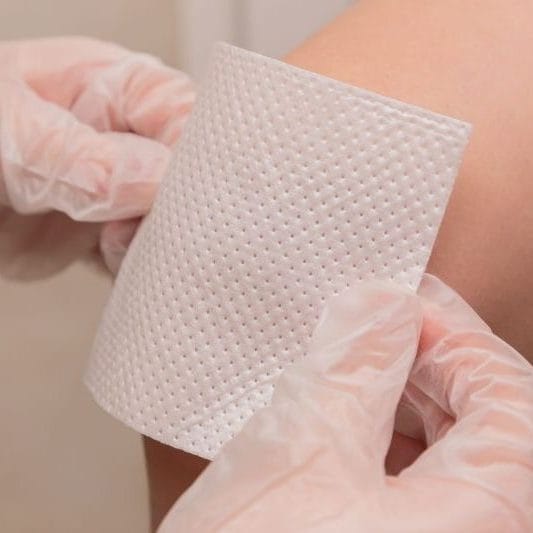
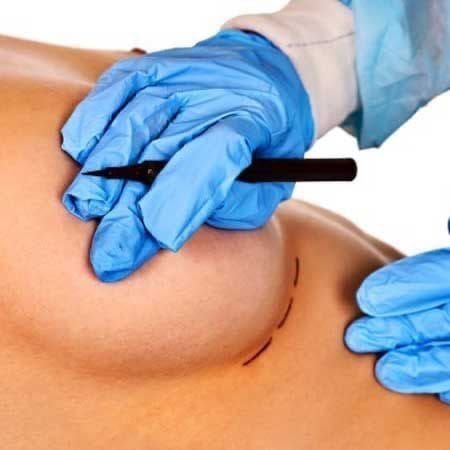
Removal of sutures following breast augmentation or reduction
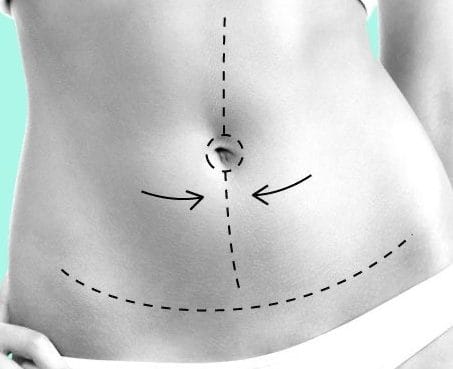
Removal of sutures or clips following Abdominoplasty (Tummy Tuck)
Standard Services
(Non Cosmetic Surgery)
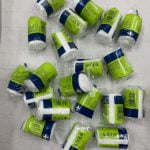
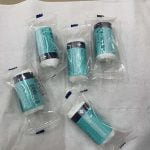
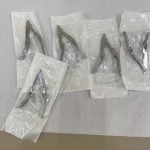
What can I do to care for my wound?
Understanding how to keep your wound at its optimum healing environment is crucial to encourage healing and avoid infection complications.
Here are a few suggestions how to manage your wounds whilst you are awaiting your appointment at The Nurse Clinic
How does a wound heal?
In healthy people, most wounds heal within a couple of weeks but this can vary depending on the type of operation you had.
The way a wound heals can be divided into several phases, which may overlap.
Immediately after the cut, cells called platelets in your blood form clumps and release chemicals to stop the bleeding
In the first few days, blood flow to your wound increases and white blood cells arrive to fight infection and remove dead tissue. New cells arrive to start repairing the wound.
From three days to three weeks, new blood vessels grow to bring nutrients to your wound and new tissue starts to develop.
Finally, from three weeks up to about a year, the new tissues laid down in the wound are gradually replaced and re-organised. Your scar gradually gets stronger, paler and more like normal skin.
If your surgeon closes your wound surgically (with stitches, clips or staples), it’s likely to heal faster.
Signs of a wound infection
A surgical wound infection can develop two to three days after an operation but it can also happen up to two or three weeks later. It can even happen several months after an operation but this is rare.
Most surgical wounds will heal without causing any problems, but it’s possible that your wound may become infected
If you get an infection, you’ll usually be treated with a course of antibiotics
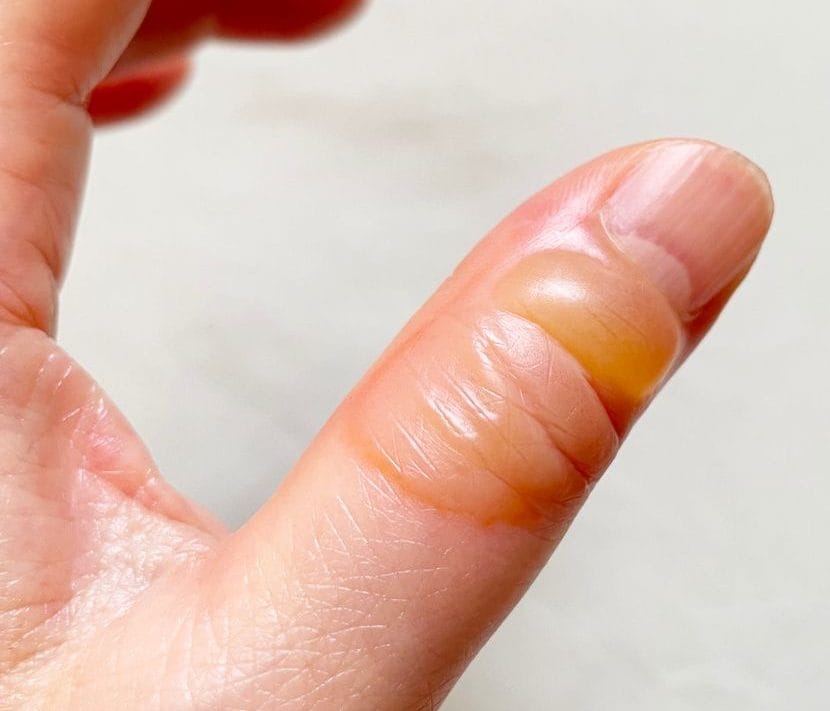
Treating burns or scalds

Stop the burning process as soon as possible. This may mean removing the person from the area, dousing flames with water, or smothering flames with a blanket. Do not put yourself at risk of getting burnt as well.
Remove any clothing or jewellery near the burnt area of skin, including babies’ nappies. But do not try to remove anything that’s stuck to the burnt skin, as this could cause more damage.
Cool the burn with cool or lukewarm running water for 20 minutes as soon as possible after the injury. Never use ice, iced water, or any creams or greasy substances like butter.
Keep yourself or the person warm. Use a blanket or layers of clothing, but avoid putting them on the injured area. Keeping warm will prevent hypothermia, where a person’s body temperature drops below 35C (95F).
Cover the burn with cling film. Lay the cling film over the burn, rather than wrapping it around a limb. A clean, clear plastic bag can be used for burns on your hand.
Treat the pain from a burn with paracetamol or ibuprofen. Always check the manufacturer’s instructions when using over-the-counter medication. Children under 16 years of age should not be given aspirin.
Raise the affected area, if possible. This will hep to reduce swelling.
Treating post-operative wounds

Caring for a surgical wound is important to lower your risk of infection and ensure your wound heals in the best way possible
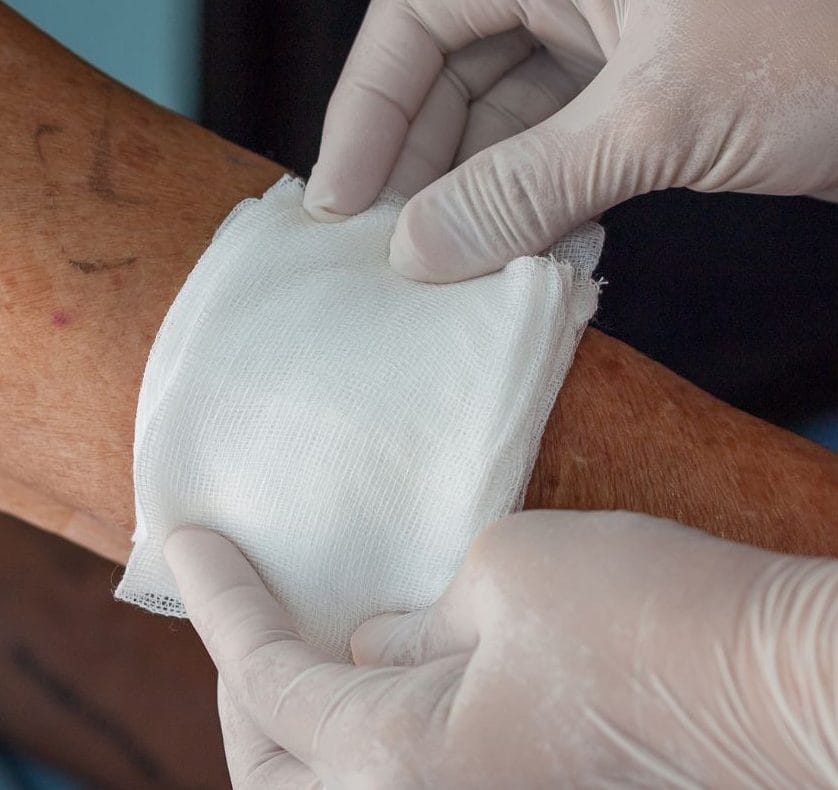
Depending on where your wound is, you can leave your original dressing in place for up to seven days. Follow advice given to you from your surgeon
A surgical wound infection can develop two to three days after an operation but it can also happen up to two or three weeks later. It can even happen several months after an operation but this is rare.
Most surgical wounds will heal without causing any problems, but it’s possible that your wound may become infected
If you get an infection, you’ll usually be treated with a course of antibiotics
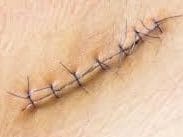
Treating wounds with sutures or clips

You will be told by your surgeon whether you have DISSOLVABLE or NON DISSOLVABLE
Dissolvable sutures can take up to 2 months to fully dissolve, do not pull these as it can trigger an infection or wound trauma.
Non dissolvable sutures are removed according to the part of the body they are, usually between 5-10 days
How do I know I am in safe hands at The Nurse Clinic?

The Nurse Clinic is CQC Registered
CQC (Care Quality Commission) Registered in 2022 for the following Regulated Activities
- Treatment of Disease Disorder and Injury.
- Surgical Procedures
- Family Planning
For more information see link below
Donna Dady is NMC Registered
NMC (Nursing and Midwifery Council) is the mandatory regulatory board for all UK Nurses and Midwives in the UK. Their role is to:
- Promote high education and professional standards for nurses and midwives across the UK.
- Maintain the register of professionals eligible to practice.
- Investigate concerns about nurses, midwives and nursing associates
Over 25 years Experience in Nursing
Donna is the Founder and Advanced Nurse Specialist at The Nurse Clinic.
She completed her Registered General Nurse Training in 1996 and has an extensive background of experience within GP Practice and Urgent Care settings.
She has worked in Oxford, Leicester, London and also travelled extensively overseas and worked aboard cruise liners as a Nursing Officer.
She is competent in treating Adults and Children at an Advanced Level and is an Independent Nurse Prescriber.
The Nurse Clinic offers numerous services to help you feel better
Click on any of the links below to find out more. Whether it is to cure or reassure we will be here for you.